Where to build businessWhere
to build
business
Jurisdictions with maximum opportunities and minimized threats. Game-changers and traps. A decision on which capital retention depends.
A strategic laboratory of entrepreneurial thinking. Institutional matrices and transformations, decoding key conditions for business development, choice of jurisdictions, institutional code, and conditions in which private capital survives and grows.
«The program is addressed to the entrepreneur for whom the regulator's rules of the game have become part of the operating model.
For five years in a row, Triptych has assembled the methodological apparatus for analyzing the institutional environment: how to read a country, how to choose a jurisdiction, how to prepare for industrial transition.
In the 2026 cycle — five lectures by Peter Schedrovitsky, four project sessions, and the community's final artifact: an analytical memo on the next generation of states.
Jurisdictions with maximum opportunities and minimized threats. Game-changers and traps. A decision on which capital retention depends.
Safety, regulatory climate, access to capital and healthcare. Residency as an infrastructure choice.
Educational environment, languages, institutions through which the next generation passes.
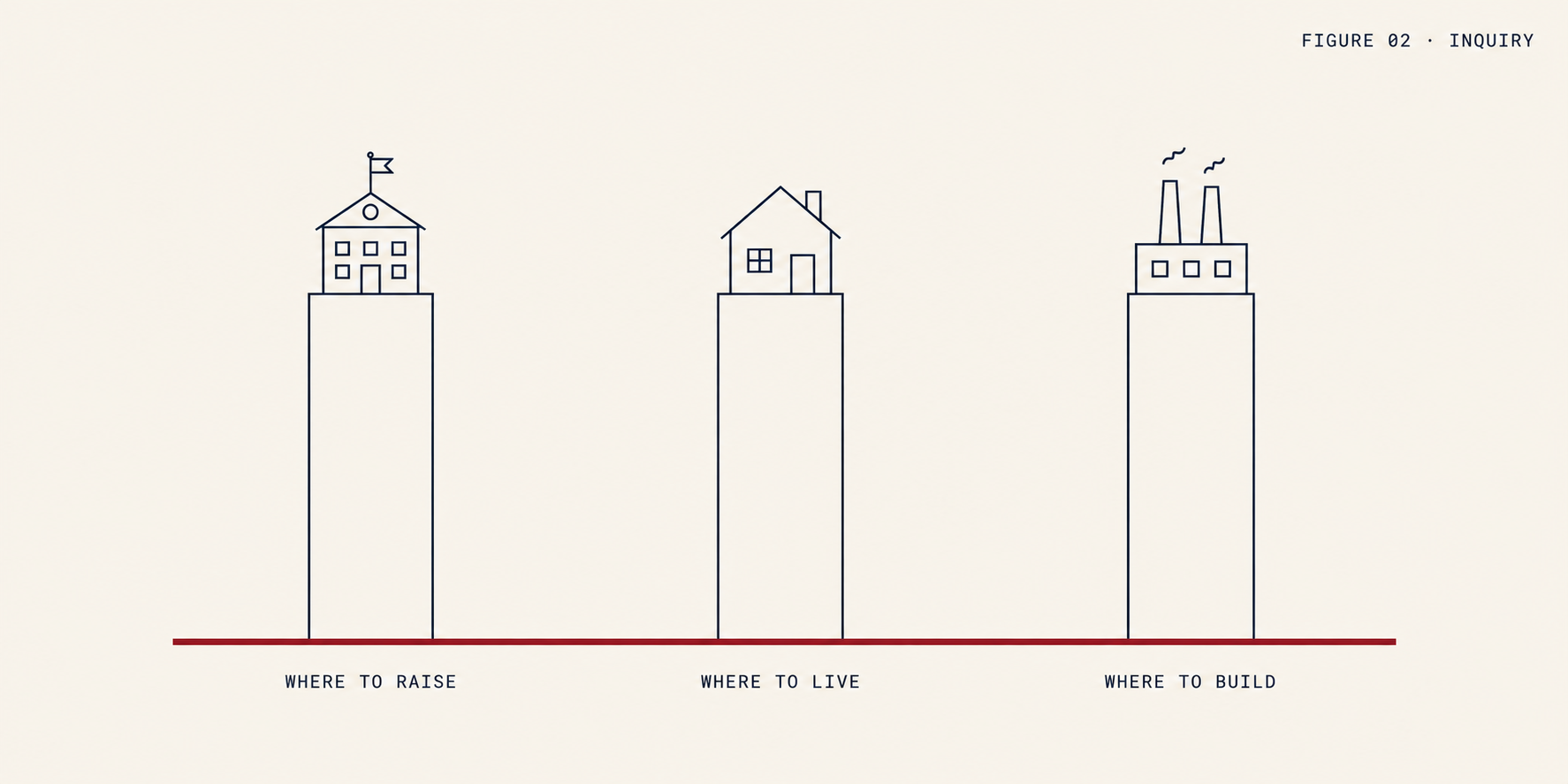
These three questions frame the entire cycle, where we work through the transformation of institutions of power, forms of statehood, and the logic of governance in the era of industrial transitions.
«Attachment to a single country no longer exists. Business operates in several jurisdictions at once — or formulates its own specification for the state it wants to be in.
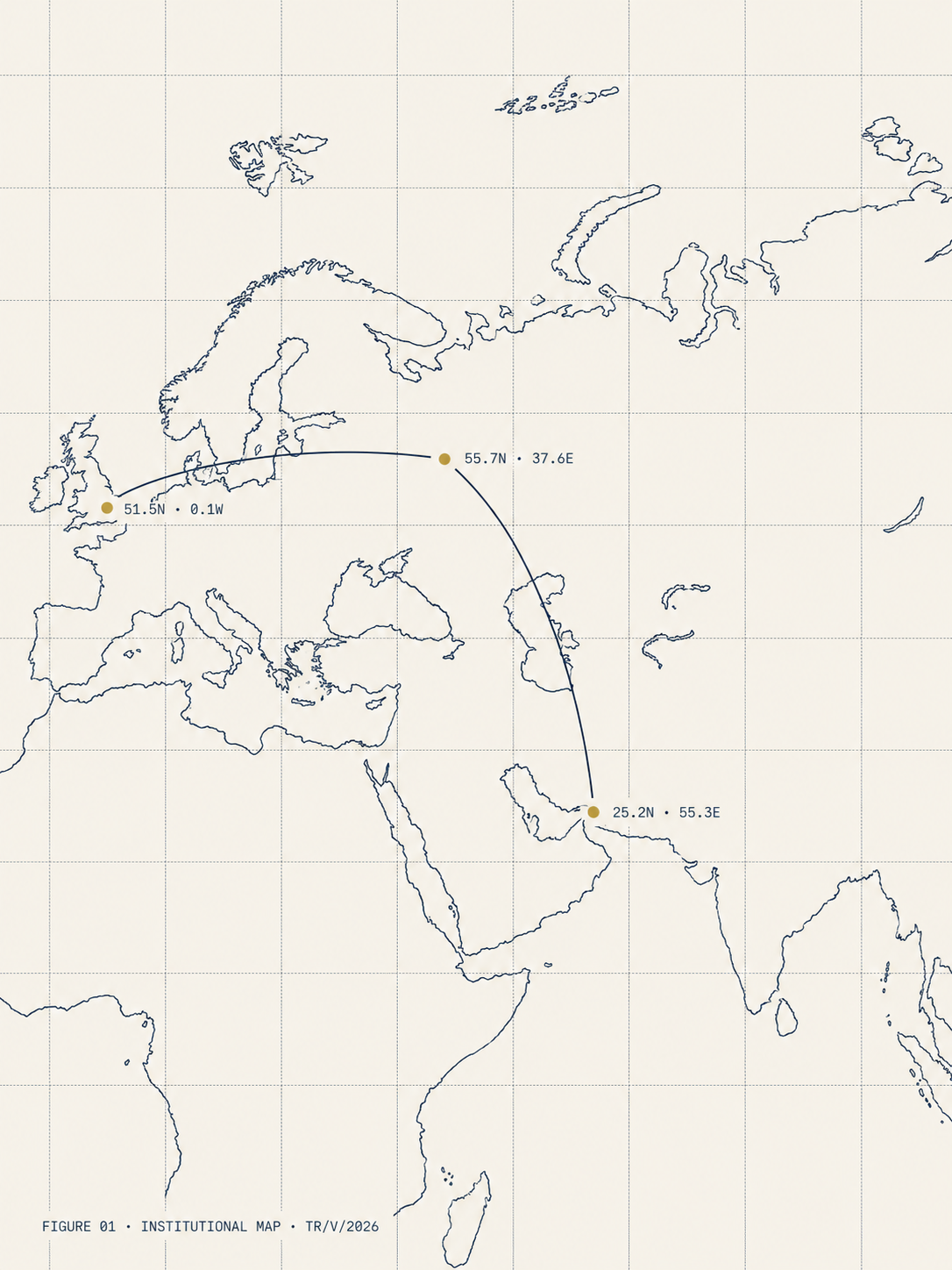
The UAE is an example of a state playing the game of attracting entrepreneurial capital. A game-changer with an innovative approach to governance, creating favorable conditions for business development and capitalization of opportunities.
Seven directions of work in the cycle. Each is a standalone value and at the same time an element of the shared methodological apparatus.
Where to educate children, where to live, where to build business — places with maximum opportunities and minimum threats.
Living across several countries, passports for investment, travel, and residency, global mobility strategies.
Which transformations of the very concept of «state» to prepare for.
Assessment of rules of the game across jurisdictions: opportunities, risks, game-changers. Grounds for an informed choice of one country or for operating across several.
The skill of seeing the coordinate system and quickly reading a country's institutional matrix: the set of factors and elements that should guide business and lifestyle decisions.
An entrepreneurial club where participants discuss the big contexts: the transformation of the state, industrial transition, evolution of economic systems. Sustainable business today cannot be built without this level.
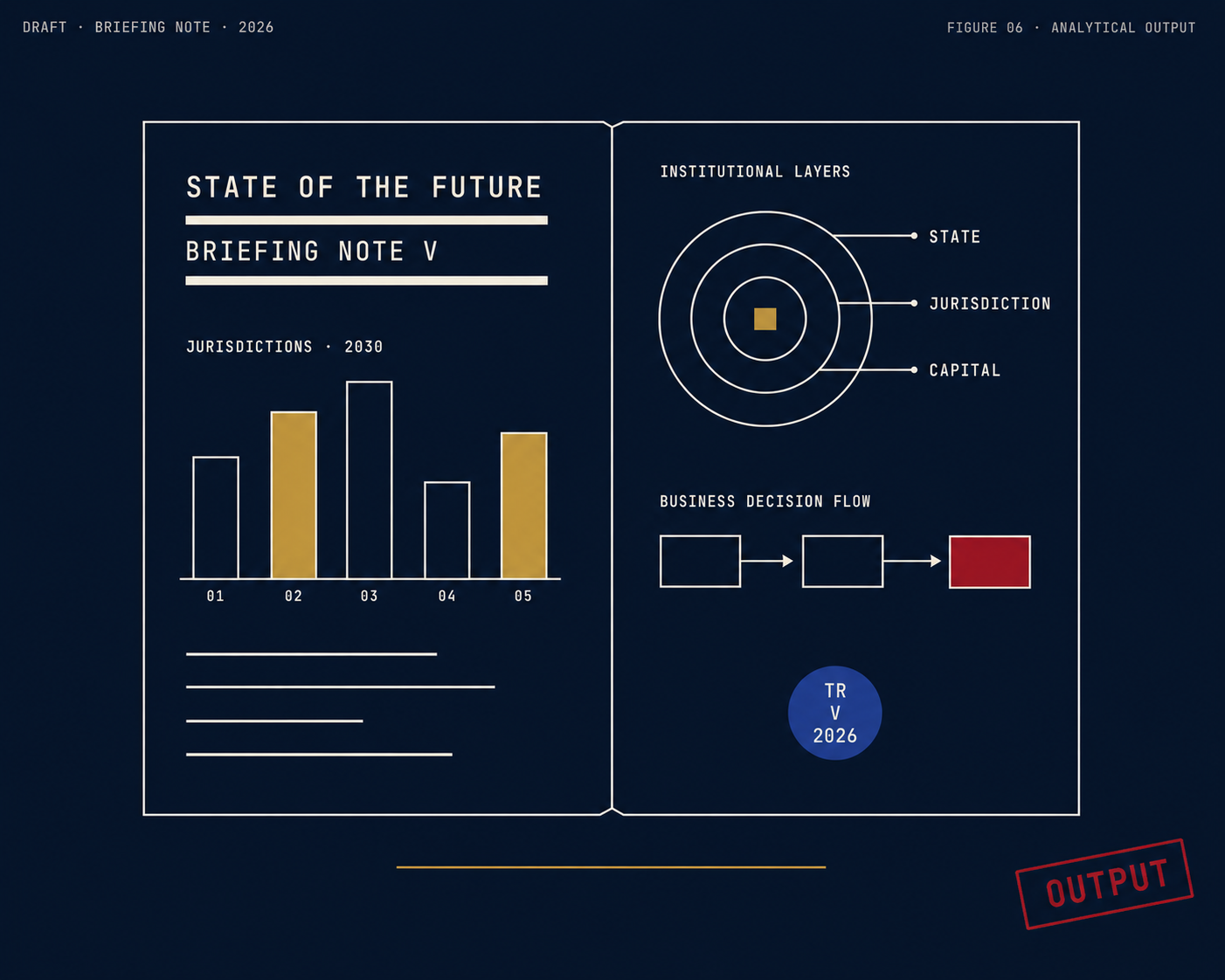
The final document summarizing what the next generation of states might look like and what conditions are needed for capital concentration and a new industrial revolution. Publication of the report / initiation of discussion with regional stakeholders.
Fifteen sessions in two tracks: methodological foundation and entrepreneurial think tank.
Lecture №1 · Jurisdictions, institutional code, and the conditions in which private capital survives and grows
Project work №1
Lecture №2 · Administrative catch-up industrialization of Russia during the Second Industrial Revolution
Project work №2
Lecture №3 · Administrative catch-up industrialization of Germany during the Second Industrial Revolution (1)
Project work №3
Lecture №4 · Administrative catch-up industrialization of Germany during the Second Industrial Revolution (2). The big game: Keynes vs Hayek
Project work №4
Lecture №5 · Institutional landscape 2030
Project work №5
Lecture №6
Project work №6
Lecture №7
Project work №7
Final session and reflection
Fifteen sessions in two tracks: methodological foundation and entrepreneurial think tank.
Lecture №1 · Jurisdictions, institutional code, and the conditions in which private capital survives and grows
Lecture №2 · Administrative catch-up industrialization of Russia during the Second Industrial Revolution
Lecture №3 · Administrative catch-up industrialization of Germany during the Second Industrial Revolution (1)
Lecture №4 · Administrative catch-up industrialization of Germany during the Second Industrial Revolution (2). The big game: Keynes vs Hayek
Lecture №5 · Institutional landscape 2030
Lecture №6
Lecture №7
Final session and reflection
Project work №1
Project work №2
Project work №3
Project work №4
Project work №5
Project work №6
Project work №7
The program is led by one person. All five methodological lectures, the project frame, and the final defense are authored work.
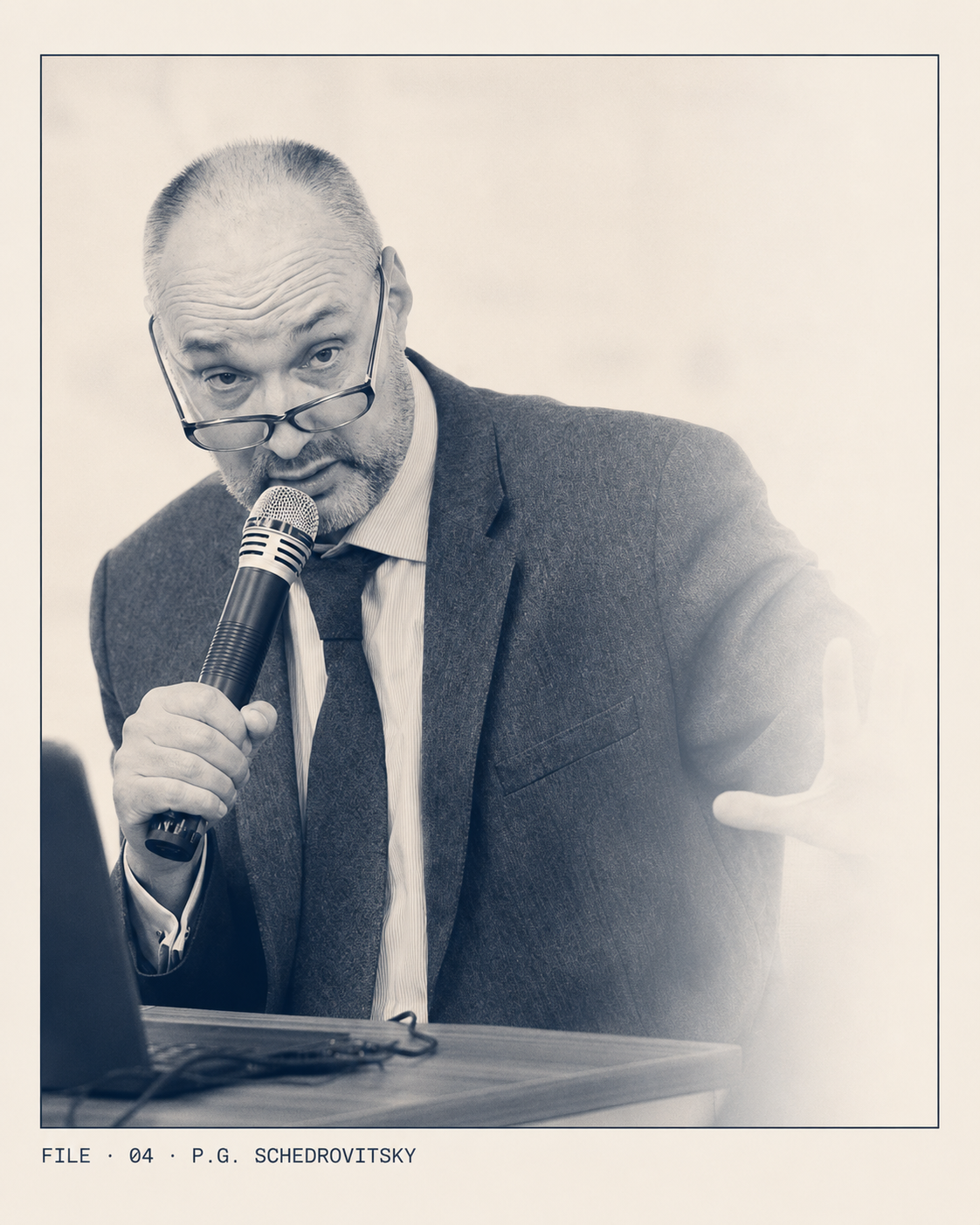
Philosopher, methodologist, candidate of philosophical sciences. Author of more than 200 publications and 15 books. One of the key successors of the Moscow Methodological Circle.
In the 2026 cycle, he leads five methodological lectures and the project work: «Jurisdictions, institutional code & conditions in which private capital survives and grows», «Russia's catch-up industrialization during the Second Industrial Revolution», «Germany's catch-up industrialization (1)», «Germany (2). The Big Game: Keynes vs Hayek», «Institutional Landscape 2030».
One tier for the 2026 cycle — full recordings. Archive package — separately.
«What the next generation of states might look like — and what conditions entrepreneurs need to concentrate capital and launch the next industrial revolution.
Because right now it's not the rules that are changing — it's the playing field itself. The state is becoming an active player again. Understanding how it thinks and acts determines where growth will be in 2026–2030 and where the administrative dead-end is. This isn't about political science. It's about the architecture of your strategy.
If you operate in the economy, you're already inside the state as a system. Even if you're «outside politics». The program helps you work through how different state models affect business: capital, management, scale, exports, the inflow or outflow of people.
Yes, if you're ready to be a researcher rather than a spectator. Texts, sessions, methodological materials are all recorded. It works. But if you can be live — better.
No. Nothing here is served up for pretty words. The material is assembled into a logical structure. This is a cycle that produces not abstraction but a coordinate system — how to think and act in a shifting landscape.
Yes. It amplifies the effect. Teams align in concepts, see the institutional contour of the environment, and build a more living strategy. Group terms available.
That's even better. Strong managers and entrepreneurs often come to such spaces not out of pain but out of premonition. This is the most precise entry moment: when you can gather yourself before it's too late.
Get full recordings of the current cycle. Pay with card via Stripe in USD, EUR or AED.
All lectures of the 2026 cycle, presentations, working materials, and the final analytical memo of the community.